Scroll
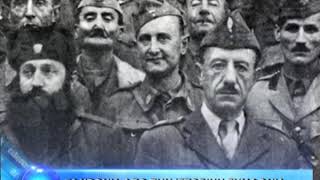
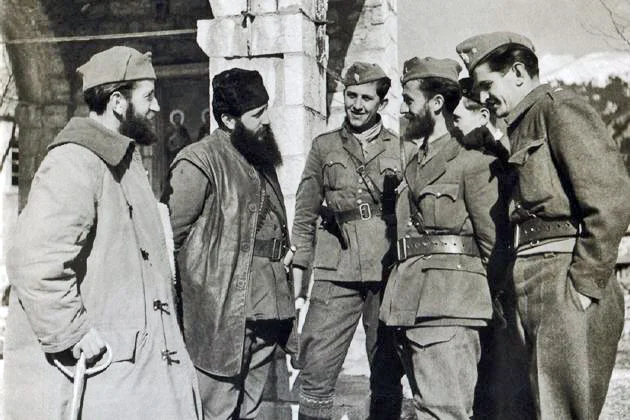
Ο Θανάσης Κλάρας — γνωστός στην ιστορία ως Αρης Βελουχιώτης — υπήρξε ο θρυλικός αρχηγός του ΕΛΑΣ, ο άνθρωπος που οργάνωσε την Εθνική Αντίσταση κατά της Γερμανικής Κατοχής και έγινε σύμβολο αγώνα για γενιές Ελλήνων.
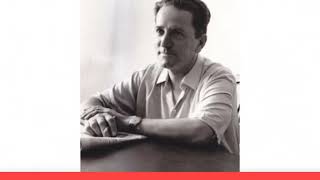
Ο αδελφός του Μπάμπης Κλάρας έζησε τον 20ό αιώνα με τα μάτια και την ψυχή ανοιχτά — μαχητής, αγωνιστής, και τελικά συγγραφέας. Κατέγραψε όσα έζησε και είδε, αφήνοντας ανεκτίμητη μαρτυρία για την εποχή.
"The memory of those who fought is an obligation for every succeeding generation."
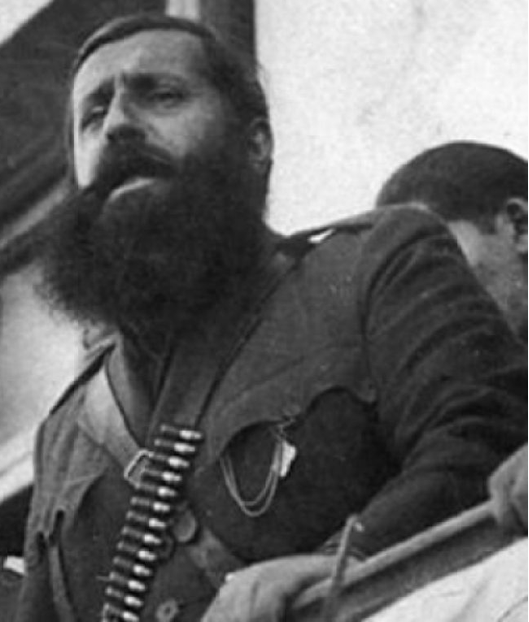
Thanasis Klaras was born in 1905 in Lamia. Under the alias Aris Velouchiotis he became the founder and commander of the Greek People's Liberation Army (ELAS), the largest resistance organisation during the Occupation of 1941–1944.…
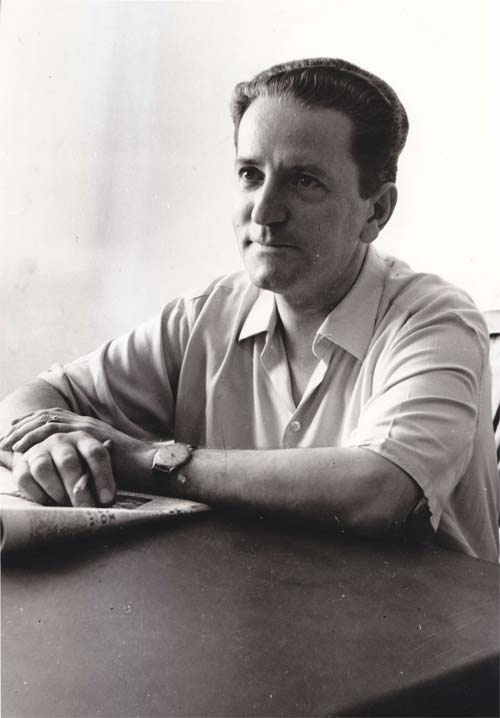
Babis D. Klaras was born on 30 April 1910, the youngest child of Dimitris and Aglaia Klara. His siblings were Periklis, Lili and Thanasis — Aris Velouchiotis. He studied law at the University of Athens (1926–1930). From his school…
Thanasis Klaras is born on 25 August 1905 in Lamia, Phthiotis. Father: Dimitris, Mother: Aglaia.
Babis D. Klaras is born on 30 April 1910 in Lamia — the youngest child of the family. Siblings: Periklis, Lili, Thanasis.
Greece liberates Thessaloniki and a large part of Macedonia. The First and Second Balkan Wars almost double Greek territory.
Smyrna falls to Turkish forces. Over 100,000 Greeks killed. Hundreds of thousands of refugees are uprooted from Asia Minor — the greatest humanitarian disaster of Hellenism in the 20th century.
Babis Klaras enrolls at the Athens Law School, graduating in 1930. He had already embraced revolutionary ideas during his secondary school years.
Babis Klaras is "unjustifiably" expelled from the Communist Party of Greece and imprisoned. Political repression marks his early years.
General Ioannis Metaxas dissolves the Constitution and imposes a dictatorship. Political parties are disbanded, trade unionists and communists are persecuted.
On 28 October 1940 Metaxas rejects the Italian ultimatum. Greek troops repel the Italian invasion and counter-attack in Northern Epirus — the "Epic of 40".
On 6 April 1941 the Wehrmacht invades from Bulgaria. On 27 April it enters Athens. The country is divided into three occupation zones: German, Italian and Bulgarian.
The first winter of occupation (1941–42) brings the Great Famine. In Athens and Piraeus over 100,000 people die of starvation. The entire population lives under a regime of terror and plunder.
In September 1941 EAM is founded by the KKE and other parties. It becomes the largest resistance movement — at its peak gathering over 1.5 million members.
On 16 February 1942 ELAS (Greek People's Liberation Army) is officially founded. Thanasis Klaras, under the alias Aris Velouchiotis, organises the first guerrilla units in Roumeli.
On 25 November 1942 ELAS, EDES and British commandos blow up the Gorgopotamos bridge — the first major joint resistance operation, cutting the Athens–Thessaloniki supply line.
From March 1943 deportations begin. The first train leaves Thessaloniki on 15 March with 2,500 Jews for Auschwitz. In total approximately 60,000 Greek Jews are exterminated.
On 13 December 1943 the Germans execute 696 men and boys in Kalavryta in reprisal for resistance operations. Every year on 13 December Kalavryta holds a memorial service.
ELAS becomes the largest guerrilla army. It controls large parts of the Greek countryside and organises administration, courts and education in the liberated mountain regions.
On 10 June 1944 German forces massacre 223 civilians in Distomo, Boeotia — one of the worst war crimes in occupied Greece.
On 12 October 1944 the Germans evacuate Athens. On 3 November the last German soldier leaves mainland Greece. End of the darkest period.
In December 1944 battle breaks out in Athens between ELAS and British-government forces. The Dekemvriana mark the beginning of the rift that will lead to the Civil War.
In June 1945 Thanasis Klaras — Aris Velouchiotis — is killed at Mesounta, Trikala, after being hunted by government forces. His severed head is displayed in public in Larissa. He was 39 years old.
From 1946 to 1949 the Civil War lasts between the government army and the Democratic Army of Greece. Thousands dead, exiled, executed. The country is deeply wounded.
In August 1949 the Civil War ends. The Democratic Army lays down its arms. Thousands of fighters are exiled, imprisoned or flee abroad. Babis Klaras survives and continues the struggle through the written word.
Babis Klaras develops intense journalistic activity. He later takes over the editorship of the newspaper "Vradhini", which becomes an important anti-dictatorship publication.
On 21 April 1967 a military junta coup. The Constitution is abolished, parties dissolved, democratic citizens arrested. Babis's newspaper "Vradhini" resists.
Collapse of the junta in July 1974. Konstantinos Karamanlis returns from exile. Political rights are restored — for the first time the Communist Party of Greece is also legalised.
Law rehabilitating fighters of the National Resistance. Official recognition of the EAM-ELAS struggle by the Greek state — decades later.
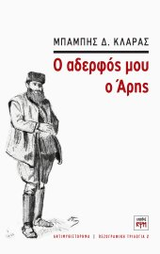
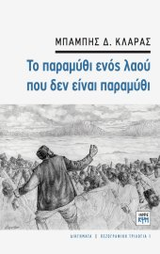
Babis Klaras publishes "The Fairy Tale of a People That Is No Fairy Tale" and "My Brother Aris" (KYM Publications). Invaluable testimonies about the Occupation and his brother Aris Velouchiotis.
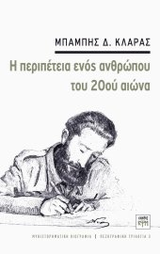
"The Adventure of a Man of the 20th Century" (KYM Publications) is released — the third part of the Trilogy. Babis Klaras's greatest literary work is complete.
Babis D. Klaras passes away on 19 December 1986, leaving behind an invaluable literary and historical legacy. He was the last witness of an entire era.
"The memory of those who fought is an obligation for every succeeding generation."